
When Do You Need a Colonoscopy Screening? Understanding the Importance of Early Colorectal Cancer Detection
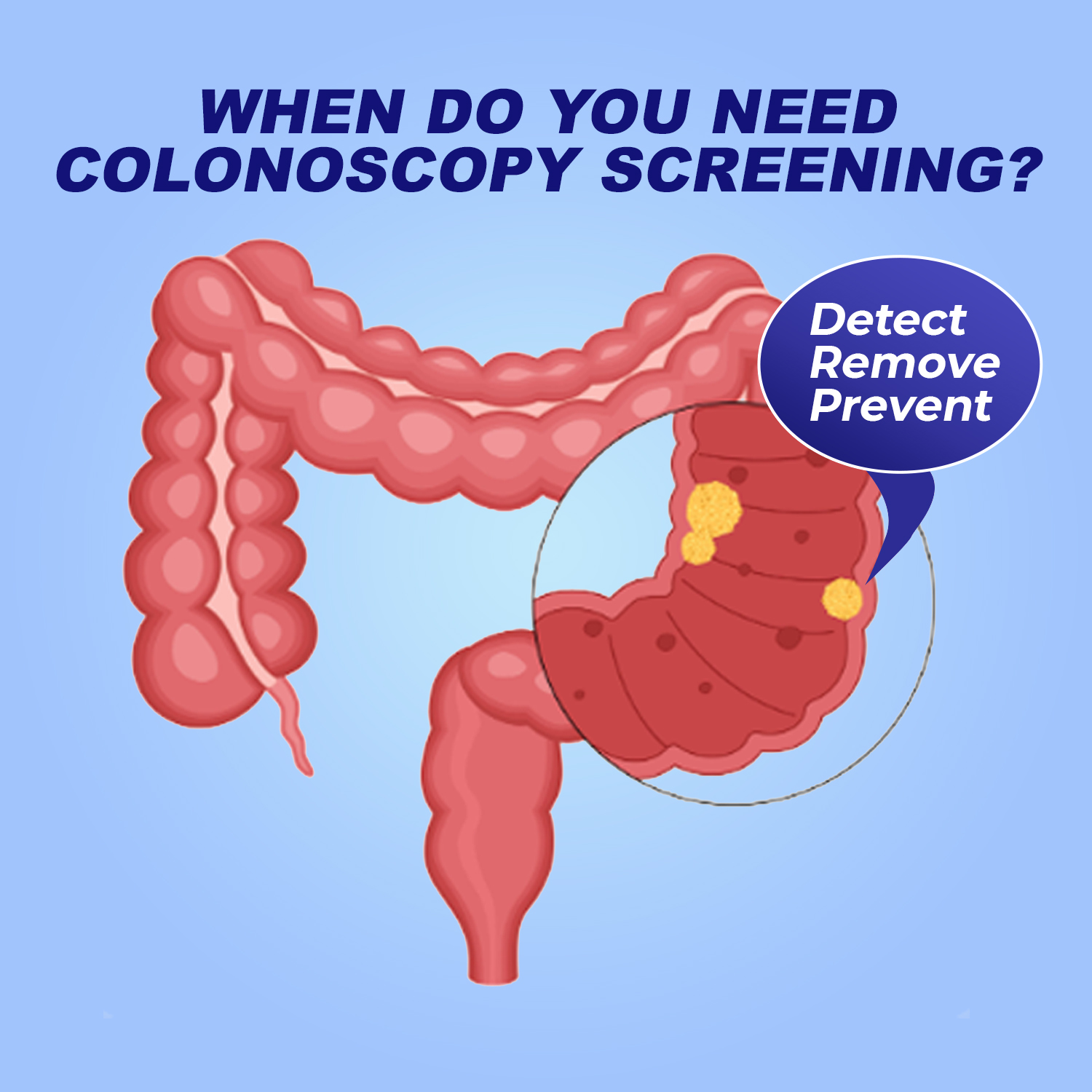
Colorectal cancer is one of the most common cancers affecting adults, but the good news is that many cases can be prevented or detected early through appropriate screening. One of the most effective screening procedures is a colonoscopy, which allows doctors to examine the inside of the large intestine and identify abnormal growths, including precancerous polyps and colorectal cancer.
At Nueva Ecija Medical Center, Inc. (NEMC), we encourage individuals to be proactive about their health. Knowing when you need a colonoscopy screening can make an important difference in detecting colorectal cancer at an earlier and more treatable stage.
Start Screening at Age 45
For adults who are at average risk of colorectal cancer, screening is generally recommended beginning at age 45. This recommendation recognizes that colorectal cancer can occur even before the age of 50, making early screening an important part of preventive healthcare.
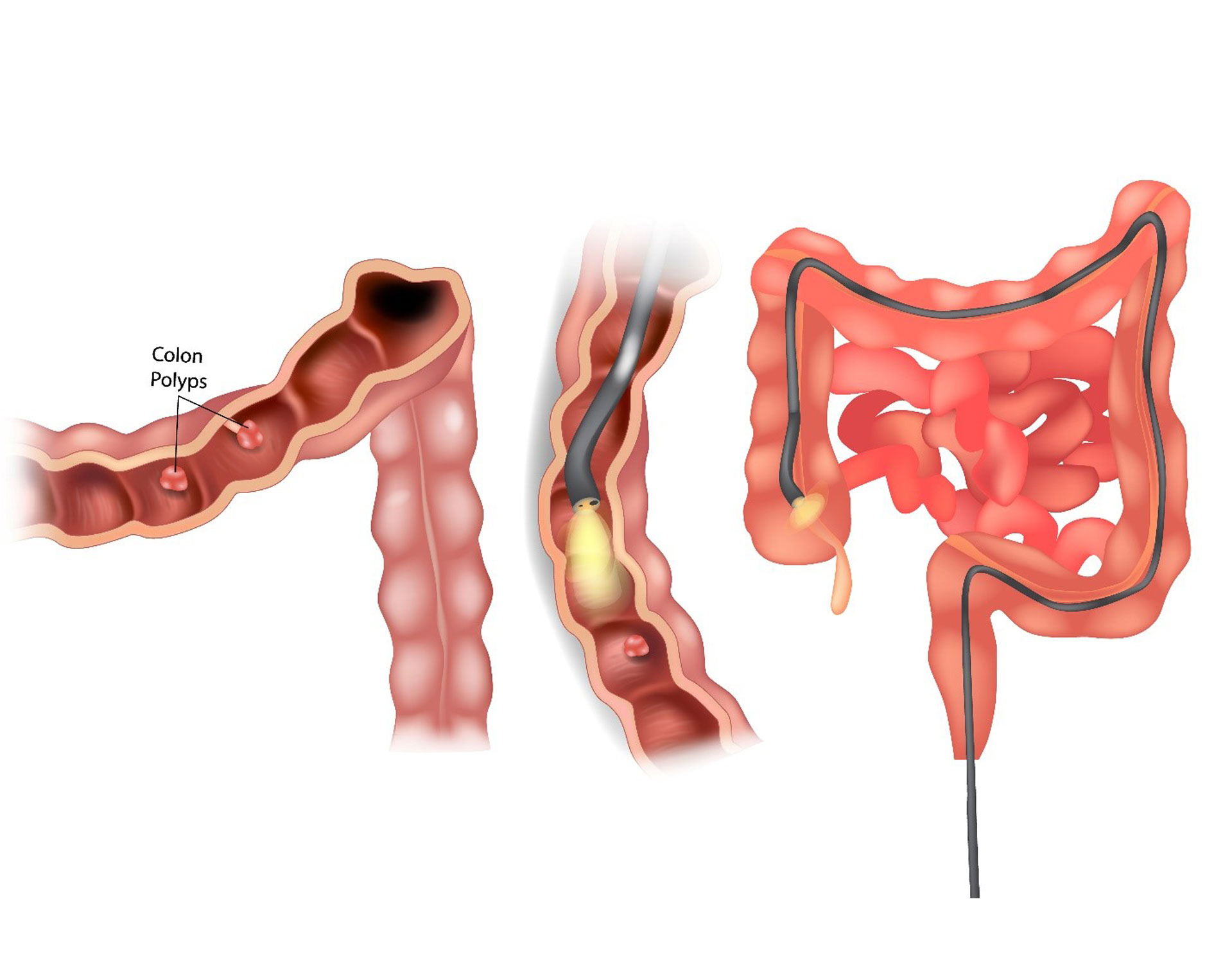
A colonoscopy does more than simply look for cancer. During the procedure, doctors can identify and, when appropriate, remove certain precancerous polyps before they have the opportunity to develop into cancer.
The timing of follow-up colonoscopies depends on what is found during the examination, your personal risk factors, and your doctor's recommendations. For some people, a colonoscopy may only be needed at longer intervals when the examination is normal, while others may require more frequent monitoring.
The important thing is not to wait until symptoms become severe before talking to your doctor about colorectal cancer screening.
You May Need Screening Earlier If You Have Risk Factors
Age is only one factor to consider. Some individuals may need to begin colorectal cancer screening earlier than age 45 or undergo more frequent monitoring because they have an increased risk.
Talk to your doctor about earlier screening if you have a family history of colorectal cancer or certain types of colorectal polyps. Having a close relative who has been diagnosed with colorectal cancer may increase your risk, particularly when the relative was diagnosed at a younger age.
Other conditions may also increase colorectal cancer risk, including inflammatory bowel diseases, such as Crohn's disease or ulcerative colitis. Certain inherited conditions, including some hereditary colorectal cancer syndromes, may also require specialized screening plans.
Your doctor can assess your personal and family history and determine the most appropriate screening approach for you.
Don't Ignore Warning Signs
Screening is important even when you feel healthy. However, certain symptoms should prompt you to consult a doctor rather than waiting for your routine screening schedule.
These may include:
- Blood in the stool or rectal bleeding
- Changes in bowel habits
- Persistent diarrhea or constipation
- A change in the appearance or consistency of stool
- Unexplained weight loss
- Persistent abdominal pain or discomfort
- A feeling that you still need to have a bowel movement after using the toilet
- Unexplained or persistent fatigue, which may sometimes be associated with anemia
These symptoms do not necessarily mean that a person has colorectal cancer. They can have many possible causes. However, they should not be ignored, particularly when they are persistent, unusual for you, or occur together.
A healthcare professional can determine whether additional tests, including a colonoscopy, are appropriate.
Why Choose Colonoscopy?
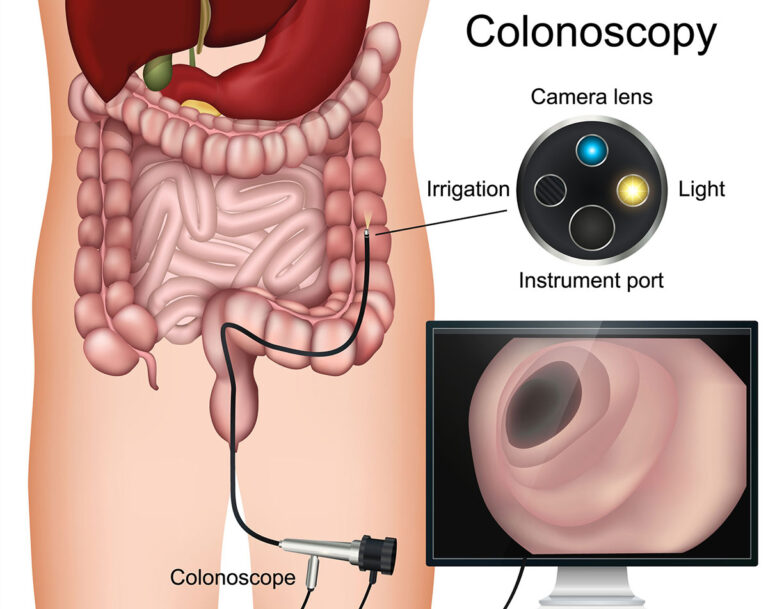
Colonoscopy is a valuable tool for colorectal cancer screening because it allows a doctor to directly examine the lining of the colon and rectum.
One of its major advantages is that it can potentially detect colorectal cancer at an early stage while also identifying precancerous polyps. Some polyps can be removed during the procedure, depending on their size, location, and appearance.
This combination of detection and prevention makes colonoscopy an important part of colorectal cancer prevention.
Before the procedure, patients are typically given instructions to prepare the bowel so that the doctor can clearly see the intestinal lining. Proper preparation is important because residual stool can make it more difficult to identify abnormalities.
During a colonoscopy, a flexible instrument with a small camera is carefully guided through the colon. Depending on the circumstances and medical plan, sedation may be used to help keep the patient comfortable.
If an abnormal area or polyp is identified, the doctor may take a tissue sample or remove a polyp for further examination. The findings can help determine whether additional monitoring or treatment is necessary.
Early Detection Can Make a Difference
Colorectal cancer can develop gradually, and some precancerous polyps may cause no symptoms at all. This is one reason screening is so important.
Waiting for symptoms before seeking evaluation may allow a disease to progress unnoticed. Screening provides an opportunity to identify abnormalities earlier, when treatment may be more effective.
Regular screening is therefore not simply about finding cancer—it is also about preventing cancer whenever possible and protecting your health for the future.
Talk to Your Doctor About Your Screening Needs
There is no single screening plan that is appropriate for everyone. Your recommended screening schedule may depend on your age, family history, previous colonoscopy results, personal medical history, and other risk factors.
If you are 45 or older and have never been screened, consider discussing colorectal cancer screening with your doctor. If you have a family history, inflammatory bowel disease, previous polyps, or other risk factors, you may need to be evaluated sooner.
And if you are experiencing concerning symptoms, don't wait for your next routine check-up. Speak with a healthcare professional as soon as possible.
Detect. Remove. Prevent.
A colonoscopy can be an important step toward protecting your health. By identifying certain precancerous polyps and detecting colorectal cancer early, screening can help you take action before a potentially serious problem becomes more difficult to manage.
At Nueva Ecija Medical Center, Inc., we believe that taking care of your health means taking action early—not only when you become sick.
Your health deserves attention today, because prevention can help create a healthier tomorrow.
When it comes to colorectal cancer screening, talk to your doctor and find out when screening is right for you.
Lorem ipsum dolor sit amet, consectetur adipiscing elit. Suspendisse varius enim in eros elementum tristique. Duis cursus, mi quis viverra.
Lorem ipsum dolor sit amet, consectetur adipiscing elit. Suspendisse varius enim in eros elementum tristique. Duis cursus, mi quis viverra.